How it works

Talk for ten minutes. Get a finished chapter.

Biographer is built around conversation, not homework. Boswell asks thoughtful questions, listens to your memories, and turns each session into a polished chapter you can read, edit, share, and build on.

No blank page. No writing assignment. Just a conversation that becomes a chapter.

draft
What's the first house you can really remember? Not just the address. The room you'd go to when no one was looking for you.
JC
the attic. dad's old records were up there.
Tell me about those records. What was the first one you reached for?
Reply to Boswell…
Three steps

Every conversation ends with something to read.

Chat for ten minutes about a memory, a person, a chapter of your life. Boswell does the writing.

i.

Talk.

Open Biographer, choose a topic, and start speaking or typing. No forms, no questionnaires. Just a conversation.

ii.

Boswell writes.

The moment you're done, Boswell turns what you said into a polished chapter. Real prose, in your own voice.

iii.

Keep going.

The next conversation gets more personal, because Boswell remembers what you've already shared.

I sat down to try it for ten minutes and looked up an hour later with three chapters about my mother I'd never written down.

Dana R.
Recording her mother's story · Portland, OR
See it happen

From a few loose sentences to a real chapter.

This is the whole thing: a short conversation on one side, a finished chapter on the other. Nothing invented. Everything yours.

· How we met The conversation
You said you met Eleanor in Buffalo. Set the scene for me. What month, what was the weather doing, where were you standing?
RC
winter. '76 i think. outside the chippewa street diner, snow coming down sideways.
And Eleanor. What's the first thing you noticed about her?
RC
she was laughing at something. didn't have a coat. i gave her mine and she kept it a week.
end of session · about 4 minutes
The chapter · First person · in your own voice

The Coat

It was the winter of 1976, and the snow on Chippewa Street came down sideways, the way it only does in Buffalo. I had my collar up and nowhere in particular to be.

That was when I saw Eleanor. She was laughing at something I couldn't hear, standing in the cold without a coat as if the weather were someone else's problem. So I gave her mine. She kept it a week. I like to think I never really got it back.

What just happened

You typed four loose sentences. Boswell asked two questions, listened, and wrote a chapter in your voice: the diner, the snow, the coat. It's not a prompt list. It's a real conversation that leaves you with real writing.

Two ways to tell stories

Answer questions, or tell any story you want.

Mode 01 · Guided interviews

Pick a topic. Boswell leads.

Choose from 100+ interview topics across eight chapters of life. Boswell asks the right questions, follows the thread, and pulls out the moments that matter.

Becoming a parent First jobs How we met Wisdom to pass on
Mode 02 · Freeform stories

Got a story? Just start.

Start with any memory, moment, person, or chapter of life. Tell Boswell what's on your mind and he'll ask questions to pull more out, only if you want.

RC
i need to write down the drive home from the hospital with mom
Take your time. Where were you driving from, and who was in the car?
It grows with you

It gets more personal over time.

Boswell remembers names, places, themes, and the threads you left unfinished. The more you share, the better the next questions get.

Session 1
Tell me about the house you grew up in.
Session 12
You mentioned your dad fixing radios at the kitchen table. Was that where your curiosity started?

“By the fifth session it knew my grandfather better than some of my cousins did. It asked about the radios. He did fix radios.”

Marcus T. · Interviewing his grandfather
Your story, your rules

You stay in control.

Every chapter is yours to shape. Change it, share it, keep it, or let it go.

Edit anything

Tweak a word or rewrite a paragraph. The chapter is a draft, not a verdict.

First or third person

Read it as "I" or as "she." Switch the whole voice with one tap.

Add photos

Drop in the snapshots that belong beside the words.

Invite family

Let loved ones read along, add memories, or fill in the gaps.

Export your stories

Your words belong to you. Take them anywhere, anytime.

Delete what you don't want

Some things aren't for the book. Remove them, no questions asked.

Keepsakes

What the story can become.

The chapters are the foundation. From there, they can turn into something you hold, hear, or hand down.

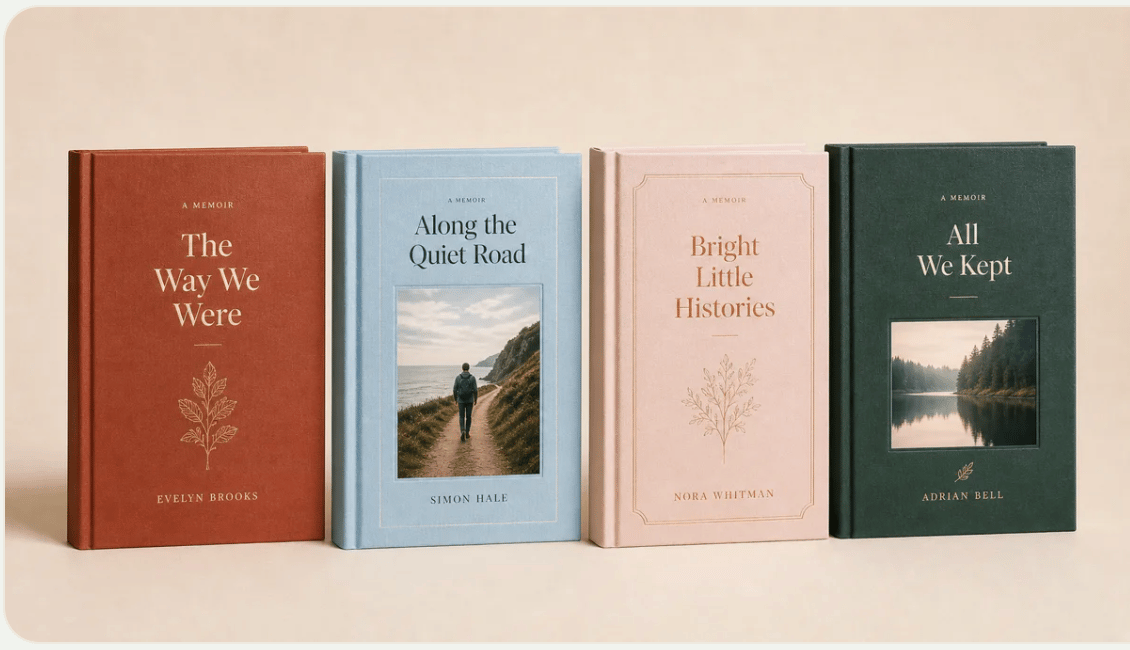
Four memoir hardcover books standing in a row
It starts here

A real hardcover book.

Your life, bound in cloth and printed in gold. A genuine book for the family shelf, your name on the cover, delivered to your door.

And the very same stories keep becoming new keepsakes.

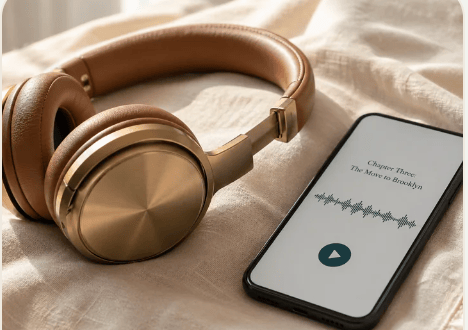
Headphones beside a phone playing a chapter

An audiobook

Every chapter narrated. A voice to hear on a long drive or a quiet evening.

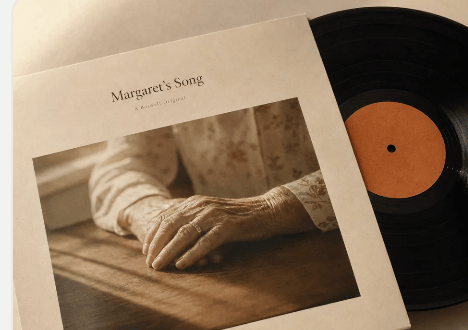
A vinyl record beside a printed song sleeve

A song

A love story or a life, set to music. An original, written from your own words.

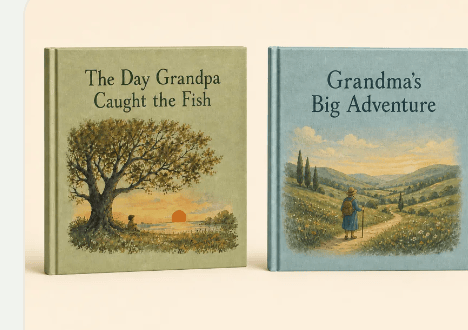
Two illustrated children's books

A children's book

Your adventures, illustrated for the grandkids to grow up reading.

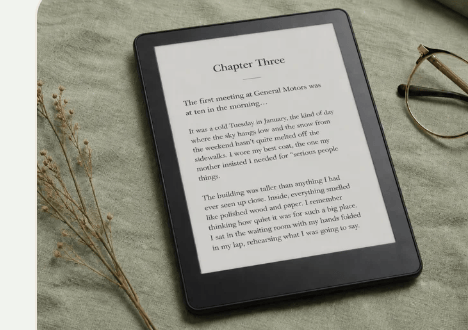
An e-reader showing a memoir chapter

An e-book

Every chapter on every device, so the whole family can read along, anywhere.

One conversation. A lifetime of keepsakes.

We turned a year of Sunday phone calls into a hardcover book. My kids will have his actual stories, in his own words.

Priya S.
Gifted Biographer to her father · Austin, TX
Gifting

Dead simple. No setup, ever.

Give it to a parent or grandparent. They open a card, start talking, and the family watches the chapters arrive.

i.

Buy the gift

Choose a plan and check out in under a minute.

ii.

Add a personal note

A line or two of why you want their story told.

iii.

Send or schedule

Deliver instantly, or pick the morning it should arrive.

iv.

They open the card

One click on the gift card. Nothing to install.

v.

They talk or type

Whatever's easier. Boswell handles the rest.

vi.

Chapters arrive

The family reads along as the story grows.

Questions

The good answers.

If they can use a phone or computer, they can use Biographer. They can talk instead of type, and the whole thing feels like a text conversation. Nothing to learn, nothing to set up.

About ten minutes per conversation, as often or as rarely as you like. No schedule, no homework. Most people do a session or two a week and end the year with a full biography.

Yes. Speak naturally and Boswell transcribes and listens. Perfect for anyone who'd rather tell a story out loud than write it down.

Invite whoever you'd like. Family members can read new chapters as they arrive, leave notes, and even add memories of their own.

Always. Every chapter is a draft you can rewrite, trim, or polish. Change a word or the whole voice. Nothing is final until you say so.

Your stories are yours. They stay private to you and the people you choose to invite, and you can export or delete anything at any time.

Ready to see what one conversation can become?